
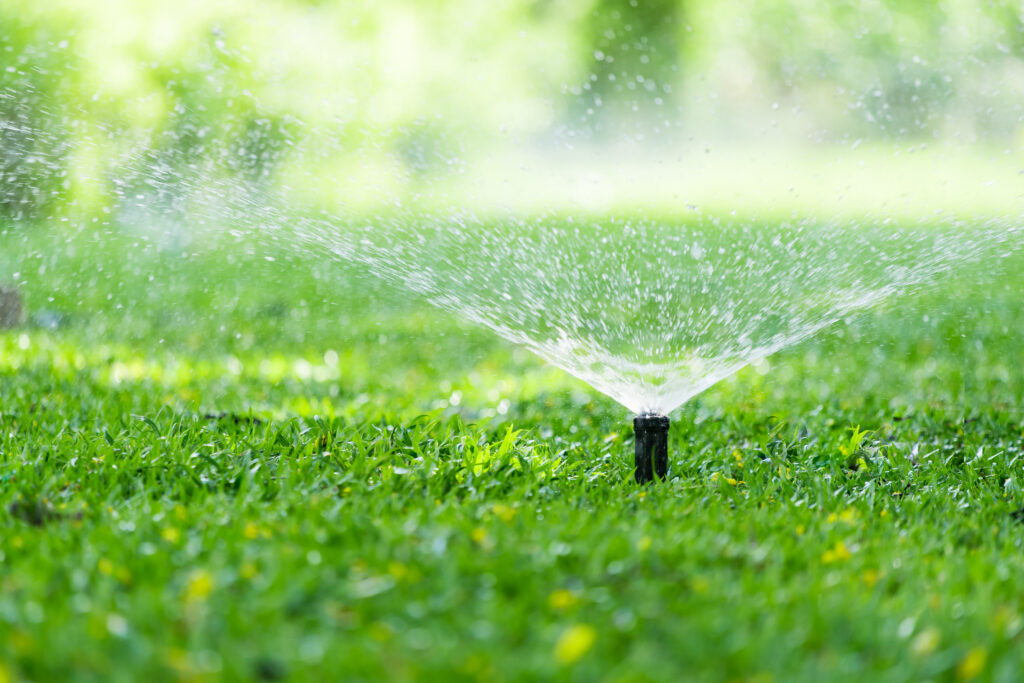
A commercial irrigation system can appear to be working even when parts of the property are getting too much water, too little water, or no water at all.
This can lead to thinning turf, declining plants, runoff, high water bills, and inconsistent curb appeal. In the Chicagoland area, irrigation needs change throughout the seasons. A schedule that worked in the spring may not be appropriate during August heat.
The key is to look beyond whether the sprinklers turn on. A well-managed system should deliver water evenly, efficiently, and according to the needs of each part of the landscape.
Here are five signs your commercial irrigation system may need professional attention.
1. Some Areas Are Dry While Others Stay Soggy
Uneven moisture is one of the clearest signs of an irrigation problem.
You may notice brown turf in one area while another area remains soft, muddy, or unusually green. This often points to inconsistent sprinkler coverage rather than a property-wide lack of water.
Common causes include:
- Misaligned sprinkler heads
- Clogged or damaged nozzles
- Low or inconsistent water pressure
- Sunken or tilted heads
- Different sprinkler types operating within the same zone
- Landscape growth blocking the spray pattern
Increasing the run time for the entire system is rarely the best solution. It may help the driest areas temporarily, but it can overwater the rest of the zone.
A professional irrigation inspection can identify where water is actually reaching the soil and whether each zone is distributing it evenly. LCM’s irrigation services include system inspections, controller adjustments, repairs, and efficiency improvements for commercial properties.
2. Water Is Spraying Onto Sidewalks, Buildings, or Parking Lots
Sprinklers should water the landscape, not the pavement.
Overspray wastes water and can create runoff near entrances, walkways, curbs, and parking areas. It may also leave your customers, residents, or employees navigating wet surfaces during operating hours.
Overspray can be caused by:
- Heads that have shifted out of position
- Incorrect nozzle selection
- Excessive pressure
- Spray patterns that no longer fit the landscape
- Plants or turf areas that have changed since the system was installed
Commercial landscapes evolve over time. Shrubs grow, beds are expanded, trees mature, and hardscape improvements alter the original layout. An irrigation system that once matched the site may need to be adjusted as the property changes.
Correcting the head alignment or nozzle is usually more effective than simply shortening the watering schedule.
3. Your Water Use Has Increased Without an Obvious Reason
A sudden or unexplained increase in water use may indicate a hidden irrigation problem.
Leaks are not always dramatic. A damaged valve, cracked lateral line, worn fitting, or controller issue can waste water without creating a visible fountain or major puddle.
Watch for signs such as:
- Higher water bills
- Constantly damp areas
- Erosion near sprinkler heads
- Water flowing when the system should be off
- Zones that run longer than expected
- Reduced pressure in part of the system
Controller settings can also contribute to excess use. Seasonal programs are sometimes left unchanged for months, even though rainfall, temperature, and plant demand have shifted.
Smart controllers and rain sensors can improve efficiency, but technology alone is not enough. The equipment must be functioning, programmed correctly, and paired with a system that provides reliable coverage.
4. Turf or Plants Continue to Decline Despite Regular Watering
Regular irrigation does not guarantee that water is reaching the roots effectively.
Brown turf, wilted annuals, yellowing shrubs, and declining trees may be caused by underwatering. However, similar symptoms can also result from overwatering, compacted soil, drainage problems, disease, insects, or root damage.
This is why diagnosis matters.
For example, repeatedly watering a brown area will not solve:
- Turf loss caused by grubs
- Disease encouraged by prolonged leaf wetness
- Roots struggling in compacted soil
- Plants sitting in poorly drained beds
- Sprinkler coverage blocked by nearby vegetation
- Turf that has entered summer dormancy
In some cases, adding more water makes the problem worse by reducing oxygen in the soil or increasing disease pressure.
A professional site assessment should consider the irrigation system along with soil, drainage, plant health, and maintenance practices. LCM’s regional guidance emphasizes that many summer landscape problems look similar from the surface, so inspection should come before treatment.
5. The System Runs During Rain or at the Wrong Time of Day
An irrigation system running during a rainstorm is a visible sign that a sensor or controller may not be working properly.
Other scheduling concerns include:
- Watering late at night
- Running every day regardless of weather
- Using the same schedule for turf and planting beds
- Failing to adjust run times as temperatures change
- Continuing to irrigate after heavy rainfall
- Watering high-traffic areas during business hours
For established turf, early-morning irrigation is generally preferable because it reduces evaporation while allowing foliage to dry. Prolonged overnight moisture can increase conditions that favor some turf diseases.
Different landscape areas also need different watering strategies. Sunny turf, shaded lawns, seasonal flower beds, mature shrubs, and newly installed plants should not always receive the same frequency or amount of water.
LCM groups its irrigation services around four priorities: maintain, repair, install, and conserve. That includes seasonal inspections, controller adjustments, rain sensors, drip irrigation, repairs, and optimized scheduling.
Why August Is an Important Time for an Irrigation Check
By August, irrigation weaknesses are often easier to see.
Heat, limited rainfall, traffic, compacted soil, and high water demand can expose dry zones that were less noticeable during spring. At the same time, cooler nights later in the month signal the beginning of the region’s most valuable turf-recovery period.
Before aeration, overseeding, or turf renovation begins, irrigation coverage should be checked and repaired. New seed requires consistent moisture, and poor coverage can undermine the entire investment.
The regional maintenance calendar recommends using August to repair irrigation, assess summer turf damage, scout for pests, and prepare for fall turf recovery.
What a Commercial Irrigation Inspection Should Evaluate
A thorough inspection should look at more than the controller.
It may include:
- Testing each irrigation zone
- Checking heads, nozzles, valves, and pressure
- Identifying leaks and broken components
- Evaluating overspray and runoff
- Reviewing dry and wet areas
- Adjusting seasonal schedules
- Testing rain sensors
- Comparing plant needs across zones
- Checking whether landscape changes have affected coverage
- Documenting recommended repairs or upgrades
The goal is not simply to run the system longer. It is to deliver the right amount of water to the right place at the right time.
Protect Your Landscape and Water Budget
A commercial irrigation system plays a major role in turf health, plant performance, curb appeal, and operating costs. Small problems can become more visible and more expensive during summer stress.
If your property has dry spots, soggy areas, overspray, unexplained water use, or plants that continue to decline, it may be time for a closer look.
Landscape Concepts Management provides commercial irrigation maintenance, repairs, installation, and water-conservation solutions throughout Chicagoland and the Kenosha area. Contact LCM to request a professional irrigation assessment and develop a plan tailored to your property.