
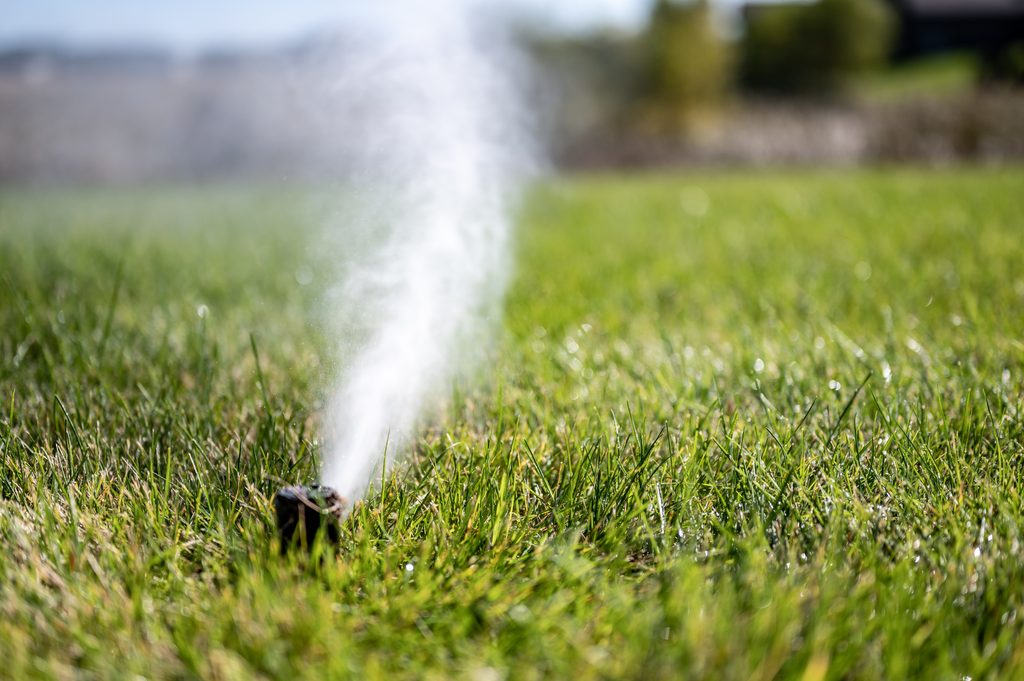
Commercial irrigation systems throughout the Chicago and Kenosha areas should be winterized before prolonged freezing temperatures can damage pipes, valves, backflow devices, and other components.
However, winterizing too early can leave turf, newly installed plants, and evergreens without the water they need during a dry fall. The right timing balances freeze protection with the landscape’s remaining watering needs.
Why Irrigation Winterization Matters
Water left inside irrigation components can freeze and expand as temperatures drop. That pressure may crack pipes, damage fittings, break sprinkler heads, or harm backflow-prevention equipment.
Some damage remains hidden until the system is activated in spring. Property managers may then discover leaks, low pressure, uneven coverage, or sections of the system that no longer operate correctly.
Professional winterization helps reduce this risk and creates an opportunity to document repairs that should be completed before the next irrigation season.
When Should Winterization Be Scheduled?
Most commercial irrigation winterization in the Chicago region takes place during October and early November, but there is no single date that works for every property.
Timing may depend on:
- Current and forecasted temperatures
- The size and complexity of the irrigation system
- Property location and exposure
- Soil moisture conditions
- New turf or recent plant installations
- The watering needs of trees and evergreens
- The property’s fall maintenance schedule
Winterization should be completed before hard freezes become consistent. Because commercial systems can take time to schedule and service, property managers should plan ahead rather than waiting for the first severe freeze warning.
Avoid Shutting the System Down Too Early
Fall temperatures may be cooler, but plants can still need supplemental water when rainfall is limited. Newly planted trees, shrubs, perennials, and turf are especially dependent on consistent moisture while their roots become established.
Evergreens also continue losing moisture through their foliage during fall and winter. Entering winter with dry soil can make them more vulnerable to winter desiccation, particularly in windy or exposed areas.
Before winterizing, evaluate whether the landscape needs a final watering plan. Some properties may require temporary watering methods after the main system has been shut down.
What Does Professional Winterization Include?
The process depends on the system, but commercial irrigation winterization commonly includes:
- Shutting off the irrigation water supply
- Removing water from pipes and irrigation zones
- Protecting backflow-prevention devices
- Inspecting valves, heads, and visible components
- Reviewing controller settings
- Documenting leaks, damaged heads, or coverage concerns
- Identifying repairs or upgrades for spring
Compressed air may be used to clear water from some systems. This process requires the correct pressure, equipment, and sequence. Too much pressure or improper operation can damage irrigation components and create safety risks.
Use Winterization as a Planning Opportunity
Fall is a useful time to identify problems that became visible during the growing season. Dry areas, overspray, runoff, broken heads, and uneven plant performance may point to coverage or efficiency issues.
Documenting these concerns during winterization allows property managers and landscape teams to plan repairs before spring startup. It can also help inform controller upgrades, zone adjustments, or improvements to high-priority landscape areas.
Protect Your System Before Winter Arrives
Timely winterization protects irrigation infrastructure and helps reduce unexpected repair costs in spring. The best schedule accounts for both the weather and the watering needs of the landscape.
LCM provides commercial irrigation inspections, maintenance, repairs, and seasonal winterization throughout Chicagoland and the Kenosha area. Contact us today to schedule irrigation winterization for your property.